
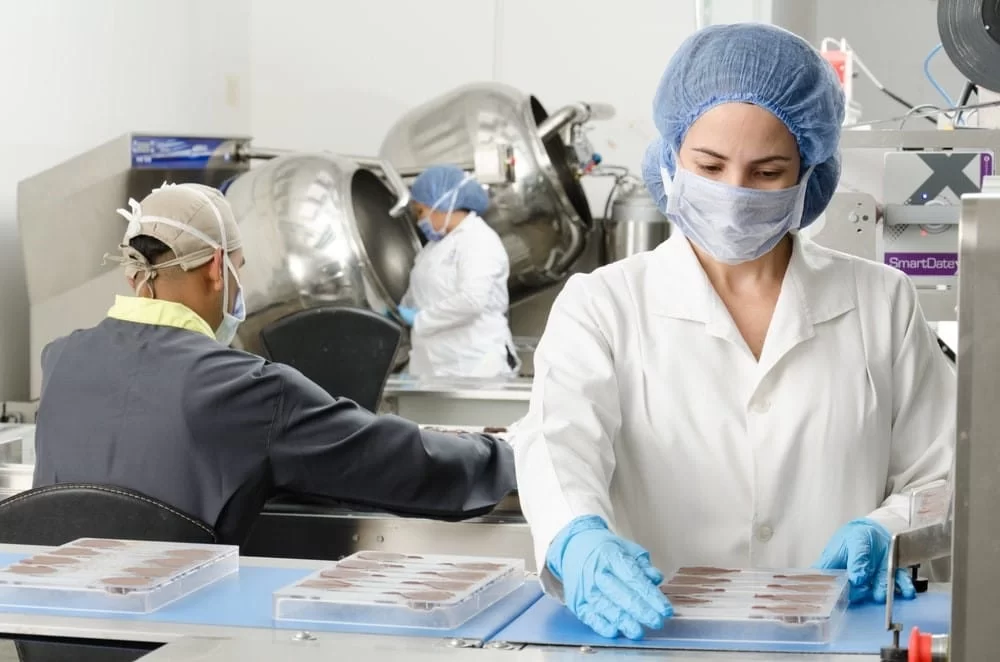
Large-scale food production work usually includes receiving and staging ingredients, processing, packaging and labelling, line changeovers, sanitation between runs, and shipping finished product. Training is useful across the plant, but some courses are more relevant depending on your day-to-day responsibilities (production, sanitation, maintenance, supervision, QA, etc.)
In this article, we discuss the best food handler course for large-scale food production jobs, as well as the other courses SafeCheck® Learning offers that may be useful in a plant setting, and who should take which training.
TL;DR: Food Handling Courses For Large-Scale Food Production Facilities in Canada
- SafeCheck’s Food Safety (Food Handler) course is an excellent option for establishing a plant-wide baseline.
- For more training, add Food Allergen Awareness for Food Processing (FAA-P) if you handle ingredients, changeovers, rework, or labels.
- Additionally, consider taking an HACCP Managers Certificate if you support QA, supervision, verification, or food safety records.
Food Safety Training for Food Manufacturing
If you’re training for a food manufacturing job, the most useful approach is layered. Start with a baseline food handler course, add processing-specific allergen training, then add HACCP if you’re responsible for controls, records, or verification.
The Three Food Safety Training Layers That Work Best in Large Plants
Food Handler Training for Plant-Wide Fundamentals
SafeCheck® Food Safety (Food Handler) is a perfect baseline course for plants to use across roles. It is broad enough to act as onboarding and refresher training, but still covers the day-to-day controls that may appear in production environments. The certificate is valid for 5 years from the date of issue.
What the course covers:
- Food Safety in the News
- Laws, Regulations, and Inspection
- How Food Can Make Us Sick (Hazards in Food, Foodborne Illness)
- Employee and Visitor Hygiene
- Facilities and Equipment
- Purchasing, Receiving, and Storage
- Preparing and Serving Safe Food (Time and Temp Control)
- Cross-Contamination, Sanitation, Waste and Pest Control
- Your Food Safety Program, Culture of Food Safety
- HACCP
Why it matters in a plant: Food Handler Training gives a consistent baseline for hygiene, storage, time and temperature, and contamination controls that apply across production, packaging, warehousing, and anyone entering production areas.
Allergen Training Built for Food Processing
SafeCheck® Food Allergen Awareness for Food Processing (FAA-P) is built specifically for food processing and manufacturing. It focuses on how allergen issues happen in real facilities (cross-contact, process flow, and label control). Certificates are valid for 3 years across Canada.
What the course covers:
- Introduction to Food Allergens
- Food Intolerance and Sensitivity
- Food Safety and Quality
- Cross Contact and Cross Contamination
- Effects of Allergens on the Human Body
- Where Errors Can Occur
- Labeling Requirements
- Personal Hygiene
- Allergen Management
- Allergic Reactions
- Staff Training
- Communicating With Allergic Consumers
- Responsibilities of Food Processors
Why it matters in a plant: Allergen control is often a separate layer from general food handling. FAA-P is a better fit for operations that do changeovers, run shared equipment, manage rework, or handle label application and verification.
HACCP Training for Supervisors, QA, and Control Owners
The SafeCheck® HACCP Managers Certificate Course is aimed at people who help build, implement, maintain, and verify HACCP programs.
What the course covers:
- The Importance of an International Food Code
- Basic Food Hygiene Programs
- The Five Preliminary Steps of a HACCP System
- Seven Principles of HACCP
- A Review of the Most Common Types of Hazards
Why it matters in a plant: HACCP training is most useful when someone is responsible for monitoring, corrective actions, verification, record review, internal checks, and keeping the system consistent across shifts and lines.
Quick Recap: The Best SafeCheck® Learning Courses For Large-Scale Plants
If you are training for a large-scale food production job, begin with Food Safety (Food Handler) Certification.
If your role touches ingredients, changeovers, shared equipment, rework, or labels, consider taking Food Allergen Awareness for Food Processing (FAA-P).
Additionally, if you are moving into supervision or QA work, we recommend taking an HACCP Managers Certificate.
For plants onboarding large teams, SafeCheck® Learning also offers 25-pack and 50-pack Food Safety Certification options with a free branded group management account, so you can register learners and track completion in one place.
These may not be the only courses your employer requires, since training expectations can vary by company, product type, and role, but they provide a strong foundation you can build on.
Reach out to SafeCheck® to choose the right courses for your role and get your training set up fast.
Discover More Safety Blogs
Understanding HACCP and Its Seven Principles
Canadian food businesses must have a food safety plan in place to prevent food safety hazards. It protects them from...
Read More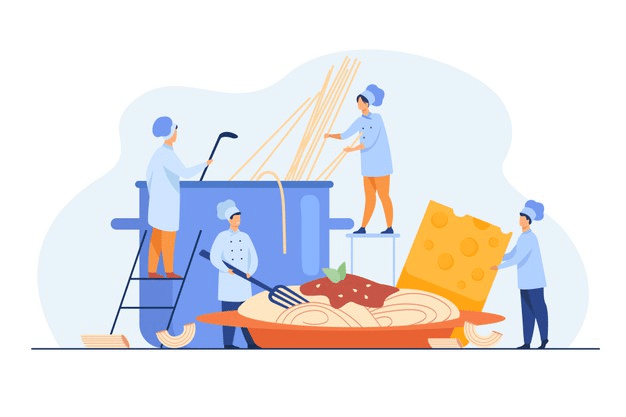
Why Food Safety Training is So Important
There’s no excuse for unhealthy practices in a facility where food is prepared or handled. Restaurant owners have a responsibility...
Read More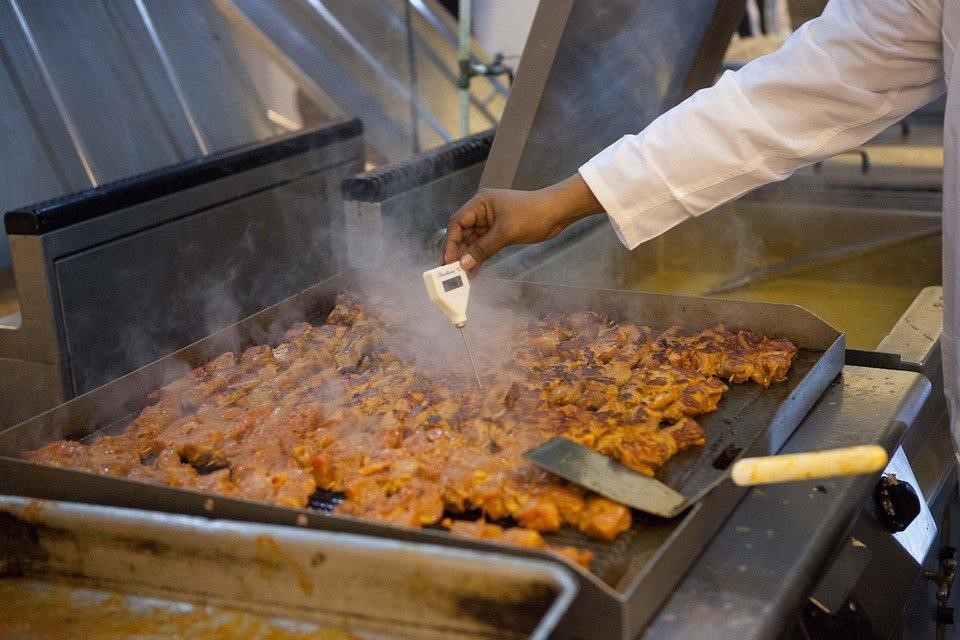
The Importance of Food Safety Training
Food safety training is an essential part of preparing food that’s safe to consume. Many food businesses don’t prioritize food...
Read More
CONTACT US
SafeCheck Learning & Canadian Food Safety