
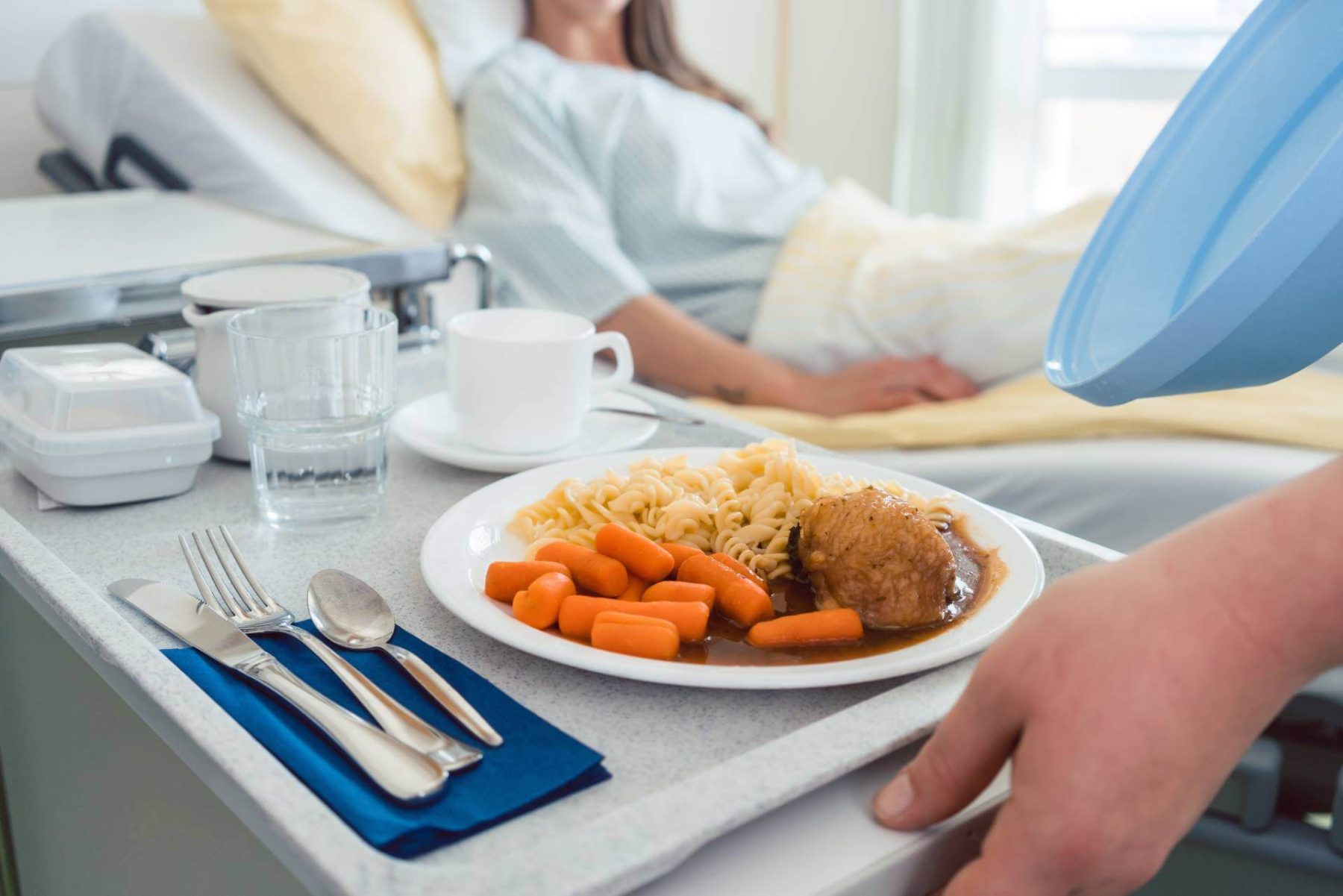
If you handle food in a healthcare setting, food handler training is one of the simplest ways to meet facility expectations and reduce avoidable risk. Hospitals, long-term care facilities, and other healthcare settings often operate meal programs across multiple shifts, with rotating staff and strict internal policies. Training needs to be consistent, easy to deliver, and recognized by local public health authorities.
In this article, we’ll discuss why food handler training is vital for those in healthcare roles, how requirements differ between different provinces and territories, and the best food handler certification for healthcare settings in Canada.
TL;DR: Food Handler Training for Healthcare Settings in Canada
- If you are preparing, portioning, plating, reheating, cooling, storing, or serving food in a healthcare kitchen, food handler training is commonly required or expected.
- Requirements vary by province and territory, but a common recommendation/requirement is to have trained personnel on duty during food service operations.
- SafeCheck’s Food Handler Certification is the leading food handler training for healthcare settings, offering nationwide approval, online delivery, unlimited exam attempts, and a same-day printable certificate.
Healthcare Requirements for Food Handler Training Across Canada
There is no single Canada-wide rule that defines food handler training for every healthcare job. Requirements are set by each province and territory, and many healthcare employers add stricter internal policies on top.
Generally, if you prepare, portion, plate, reheat, cool, store, transport, or serve food in a hospital, long-term care home, retirement residence, or similar setting, food handler training is commonly expected as part of safe meal service.
Across Canada, facilities often need to ensure trained staff coverage during food service operations. Here’s a snapshot of each province and territory’s requirements:
- British Columbia: Operators must hold a recognized food safety certificate, and if the operator is absent, at least one certified employee must be present.
- Alberta: At least one person “in care and control” must be certified; if 6+ food handlers are on-site, a certified person must be present (and this includes some social care facilities).
- Saskatchewan: A person with an approved food safety course must be working on-site when food is being prepared and served.
- Manitoba: Requirements can be set municipally (for example, Winnipeg’s bylaw ties certification to the person in charge and on-duty coverage depending on staffing levels).
- Ontario: Food service premises must ensure that at least one trained food handler or supervisor is on the premises during every hour of operation. Certification must also be renewed every 5 years.
- Quebec: MAPAQ requirements include manager training for operators and food handler training for 10% of the workforce, or one staff member for smaller teams.
- New Brunswick: Class 4 food premises must have at least one person present in the prep area with a certificate from an approved food handling program.
- Nova Scotia: Food safety regulations require at least one person per shift to have completed a food safety training course, and broader training is recommended.
- Prince Edward Island: The licence holder must complete approved food safety training, and in their absence, at least one employee in the prep area must be trained.
- Newfoundland and Labrador: Many licensed food premises must have at least one employee with current food safety training present while operating (including premises that prepare food for hospitals and long-term care).
- Yukon: Food handler certification is commonly treated as best practice and is strongly recommended even where legislation does not set a strict requirement.
- Northwest Territories: Permanent food establishments must have at least one operator or worker with an acceptable food safety certificate present during operating hours.
- Nunavut: Operators must have completed food safety training within the previous 5 years, and if the operator is absent, at least one employee present must meet that requirement.
SafeCheck® Food Safety (Food Handler) certification is the leading food handler training for healthcare settings, meeting the requirements for food handler training across Canada.
Quick Recap: Food Handler Training for Healthcare in Canada
If you handle food in a healthcare setting, food handler training is the baseline most facilities expect. Requirements vary by province and territory, and your employer may impose stricter rules depending on the setting and role, but the goal remains consistent: to provide verifiable food safety training for all individuals involved in meal service.
The SafeCheck® Food Safety (Food Handler) certification is accepted by provincial public health units in every Canadian province and territory, so it works as a single nationwide option for healthcare onboarding and job readiness.
Reach out to SafeCheck® Learning to get the right training set up for your role, or to onboard a full team with a group account.
Discover More Safety Blogs

Understanding HACCP and Its Seven Principles
Canadian food businesses must have a food safety plan in place to prevent food safety hazards. It protects them from...
Read More
Food Safety Course for Mobile Food Vendors: Regulations, Risks, and Certification
Mobile food vending has grown significantly across Canada over the past decade. Food trucks, market stalls, pop-up kiosks, and catering...
Read More
10 Common Food Safety Mistakes Made in Restaurant Kitchens
In uniform. Kitchen workers are together preparing food. Not washing hands properly: All restaurant staff must wash their hands thoroughly...
Read More
CONTACT US
SafeCheck Learning & Canadian Food Safety