
Running a cottage food business means you’re responsible for safe food handling, even if you’re producing in small batches. While rules and permits vary across Canada, food safety fundamentals do not. Training helps you build a consistent process around hygiene, contamination control, storage, and temperature handling.
This article breaks down whether food handler training is typically required, what the course content should include for cottage food businesses, and how to complete your certification online.
TL;DR: Food Handler Training for Cottage Food Businesses
- Cottage food rules and permits vary across Canada, so check your local public health authority for requirements where you live.
- Even when it isn’t required, food handler training is strongly recommended if you prepare and sell food to others.
- The right training should cover hazards, hygiene, facilities/equipment, purchasing/receiving, time and temperature control, cross-contamination, cleaning/sanitation, pest control, and HACCP basics.
- SafeCheck® Learning’s Food Handler Certification is accepted by public health units across all Canadian provinces and territories, and you can complete it online with unlimited exam attempts and same-day printable proof after passing.
Do You Need Food Handler Training for a Cottage Food Business?
Often, yes. In some areas, it’s required for permits, market vendors, or certain types of products. In other areas, the rules can be less direct. Either way, getting food handler training is the smart move if you’re preparing and selling food to others.
Even when it isn’t explicitly required, training like SafeCheck® Learning’s Food Handler Certification is strongly recommended because it helps you:
- Build safe habits from day one (hygiene, clean handling, safe storage).
- Avoid common mistakes that lead to unsafe products (cross-contamination, temperature issues, inconsistent cleaning).
- Handle allergens responsibly, including preventing cross-contact and communicating clearly.
- Operate consistently as you grow from “small batches” to steady weekly orders.
- Show proof of training when a market organizer, partner, or customer asks.
If you’re selling food, food safety training is part of doing it responsibly. Requirements vary, so check your local public health authority for your exact situation, but don’t wait to get trained.
What Food Handler Training Should Cover for Cottage Food Businesses
In a cottage food business, you’re usually working in a shared space like a home kitchen, doing small batches, and relying on repeatable habits. The right training should offer practical controls and the best habits you can actually follow at home:
Foodborne Hazards
Helps you understand what actually makes people sick and which steps in your process are most likely to introduce risk.
Personal Hygiene
Gives you clear rules for handwashing, illness, and cleanliness to prevent food contamination during prep and packaging.
Facilities and Equipment
Helps you keep your kitchen setup, surfaces, and tools in a condition that supports safe, repeatable production.
Purchasing and Receiving
Teaches you how to choose safe ingredients and handle them properly the moment they come into your kitchen.
Time and Temperature Control
Helps you prevent unsafe temperature exposure during prep, cooling, storage, and pickup or delivery.
Cross-Contamination
Shows you how to separate ingredients, tools, and work areas to avoid transferring hazards from one food to another.
Cleaning and Sanitation
Helps you build a consistent cleaning routine that reduces risk between batches and production days.
Pest Control
Helps you prevent and spot pest issues early, so your food and workspace stay protected.
HACCP
Gives you a simple way to think in controls and routines so your process stays consistent as orders and complexity grow.
If you want a single course that covers these fundamentals and gives you recognized proof of training, SafeCheck® Learning’s Food Handler Certification is your best option.
Get Food Handler Certified Online With Safecheck® Learning
SafeCheck® Learning’s Food Handler Certification is the simplest way to get trained and keep proof of training on file for your cottage food business. The certificate is accepted by provincial public health units across all Canadian provinces and territories.
What You Get With the Online Course:
- Online final exam with unlimited attempts
- Same-day printable digital certificate + wallet card after you pass
- Course content covering the core fundamentals you need (hazards, hygiene, storage, time/temp, sanitation, pest control, HACCP basics)
- Volume packs (25 or 50) if you’re training helpers or adding staff
Discover More Safety Blogs

Selecting High Quality, Best Value Food Handler Training in Canada
Chef Holding SafeCheck Certificate There are many online food handler courses available in Canada, and it’s important to find one...
Read MoreDo You Need Food Handler Training for a Cottage Food Business?
Running a cottage food business means you’re responsible for safe food handling, even if you’re producing in small batches. While...
Read More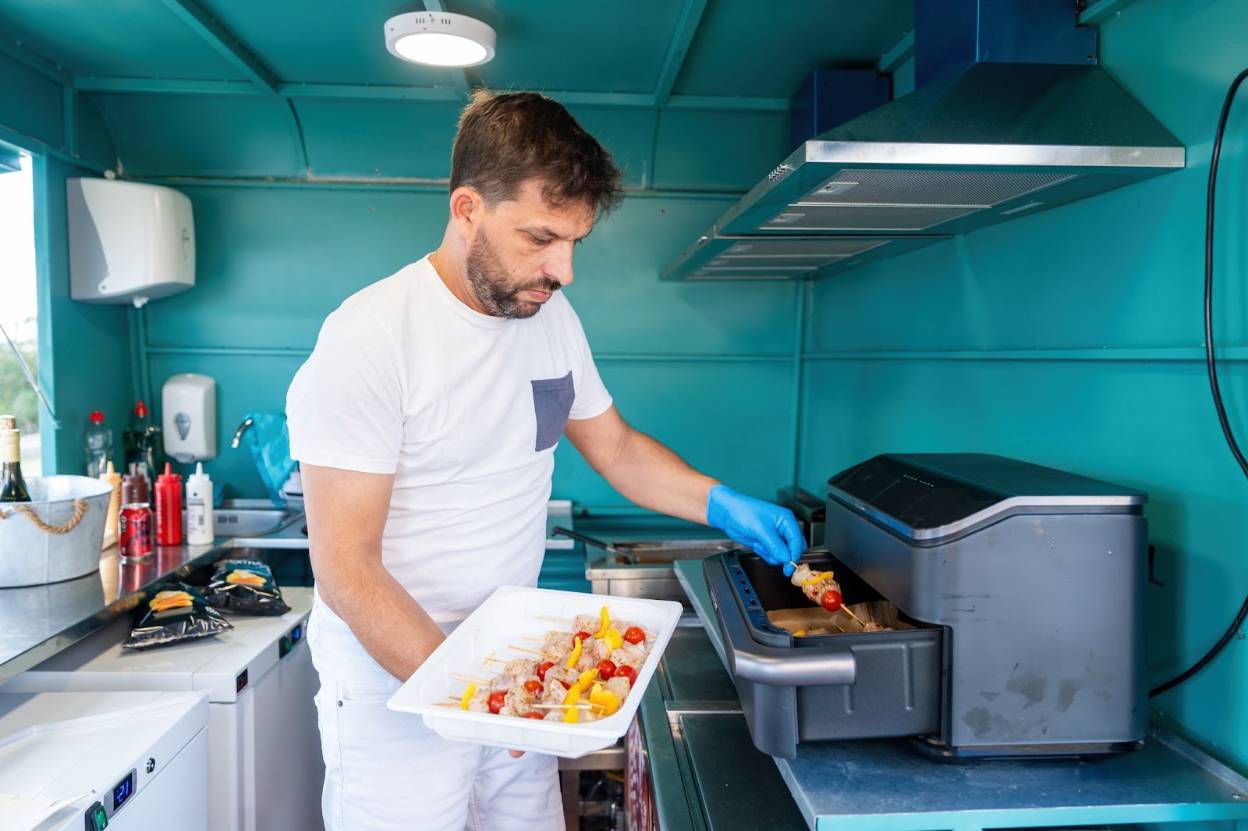
Food Safety Course for Mobile Food Vendors: Regulations, Risks, and Certification
Mobile food vending has grown significantly across Canada over the past decade. Food trucks, market stalls, pop-up kiosks, and catering...
Read More
CONTACT US
SafeCheck Learning & Canadian Food Safety