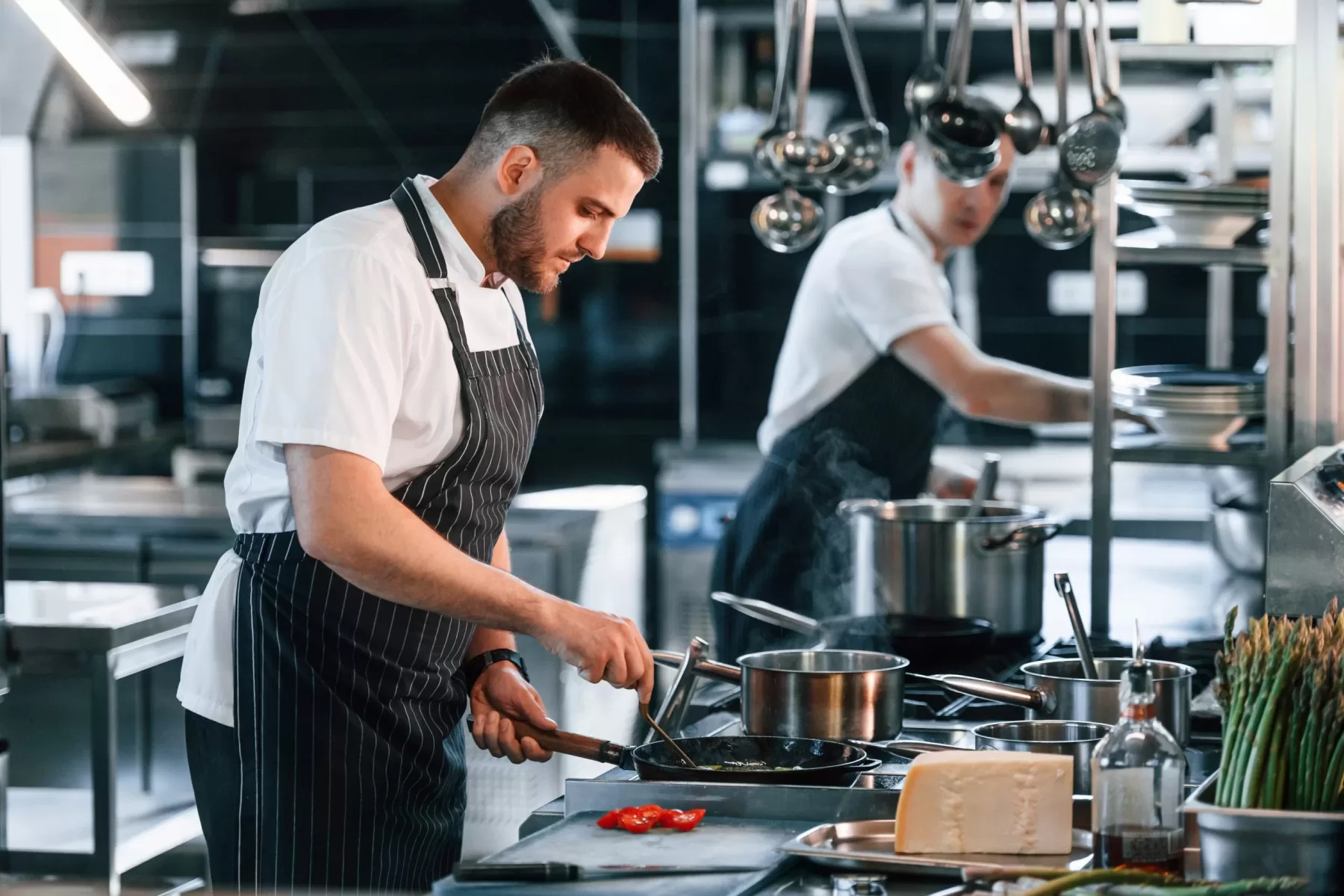
In uniform. Kitchen workers are together preparing food.
-
Not washing hands properly: All restaurant staff must wash their hands thoroughly before handling food to prevent the spread of bacteria and illness. This includes using soap and warm water and scrubbing for at least 20 seconds.
-
Improper cooling of hot foods: Hot foods must be cooled quickly and stored in the refrigerator within two hours of cooking to prevent the growth of bacteria. Foods must be appropriately labelled and stored to avoid contamination.
-
Cross-contamination occurs when bacteria or other contaminants are transferred from one food item to another. For example, this can happen when cooks use the same cutting board for raw meat and vegetables or using the same utensils for different foods without properly washing and sanitizing them in between.
-
Using dirty dish towels: Dish towels should be washed frequently to prevent the spread of bacteria.
-
Using ingredients well past their best-before dates: Cooks need to check the best-before dates on all ingredients before using them. Using ingredients well beyond their best-before date can lead to foodborne illnesses.
-
Undercooking meat: Raw or undercooked meats can contain harmful bacteria that can cause illness. Cooks must use a calibrated meat thermometer to ensure meats are cooked to a safe internal temperature.
-
Overcrowding the refrigerator: Kitchen staff must store food at the proper temperature to prevent the growth of harmful bacteria. Overcrowding the fridge can lead to an increase in temperature, which can cause food to spoil more quickly.
-
Improper food storage: Foods should be stored at the proper temperature and in the correct location to prevent the growth of bacteria. For example, raw meats should be stored below cooked foods to avoid cross-contamination.
-
Not cleaning equipment properly: Kitchen equipment, such as cutting boards and utensils, should be washed and sanitized regularly to prevent the spread of bacteria.
-
Not keeping a clean kitchen: A clean kitchen is essential for preventing the spread of bacteria and illness. Cooks should regularly clean countertops, cutting boards, and other surfaces to prevent the buildup of germs.
Discover More Safety Blogs
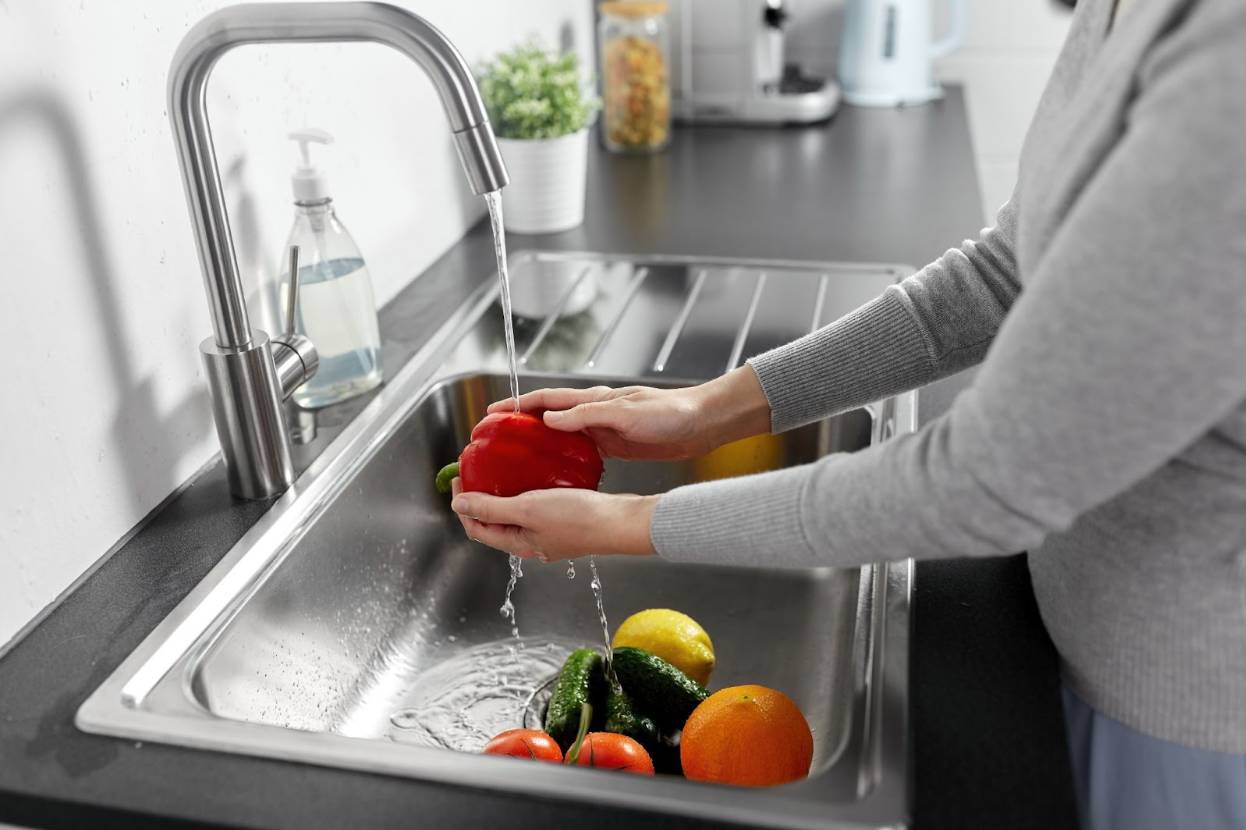
Food Safety Course for Home Cooks: What You Need to Know in Canada
Every year, more than 4 million Canadians get food poisoning. Symptoms typically include nausea, vomiting, diarrhea, stomach pain, and fever....
Read More10 Common Food Safety Mistakes Made in Restaurant Kitchens
In uniform. Kitchen workers are together preparing food. Not washing hands properly: All restaurant staff must wash their hands thoroughly...
Read More
The Best Food Handling Courses For Large-Scale Food Production Facilities
Large-scale food production work usually includes receiving and staging ingredients, processing, packaging and labelling, line changeovers, sanitation between runs, and...
Read More
CONTACT US
SafeCheck Learning & Canadian Food Safety