
A meat handling and food safety course is a structured training program that covers the specific knowledge and practices required to handle raw and processed meat safely. These courses address the unique risks associated with meat products, including bacterial growth, temperature abuse, cross-contamination, and improper storage. In Canada, food service workers who handle meat are expected to understand and follow established food safety protocols that align with federal and provincial regulations.
The SafeCheck® Advanced Food Safety course covers all of these requirements. It is government-approved and recognized by health units across all Canadian provinces and territories.
Why Meat Handling and Food Safety Training Is Important
Meat is among the highest-risk food categories for foodborne illness. Raw poultry, beef, pork, and seafood can carry pathogens such as Salmonella, E. coli, Listeria, and Campylobacter. When meat is mishandled at any stage, from receiving through to service, these pathogens can multiply and cause serious illness in consumers.
In Canada, food businesses are subject to inspection by local public health authorities. Workers who are not trained in safe meat-handling practices put their employers at risk of noncompliance, fines, or closure. Proper training reduces those risks and demonstrates due diligence.
Beyond regulatory obligations, safe meat handling protects customers, reduces product waste, and supports the long-term reputation of any food business.
For those seeking online food safety training for meat handlers, the SafeCheck® Advanced Food Safety course provides the practical knowledge needed to meet these obligations and handle meat safely at every stage.
What You Learn in a Meat Handling and Food Safety Course
Foodborne Illness Prevention
The course covers the conditions that allow pathogens to grow in meat products, including the temperature danger zone (4°C to 60°C), time-temperature abuse, and high-risk populations. Participants learn how to identify contamination risks and take steps to prevent them before illness occurs.
Safe Meat Storage
Proper storage is critical for meat safety. Training covers refrigeration and freezer temperature requirements, storing raw and cooked meats separately, correct labeling and date-marking procedures, and FIFO (first in, first out) stock rotation practices. Participants also learn the requirements for receiving meat shipments, including how to assess temperature and condition upon delivery.
Cross-Contamination Prevention
Raw meat can contaminate other foods, surfaces, and equipment if handled incorrectly. The course teaches how to prevent cross-contamination by using separate cutting boards, utensils, and storage containers. It also covers handwashing procedures and how to prevent the transfer of bacteria between raw and ready-to-eat foods.
Proper Cooking Temperatures
Cooking meat to the correct internal temperature is one of the most reliable methods for eliminating pathogens. The course provides specific minimum internal temperature requirements for different types of meat, including poultry, ground beef, pork, and whole cuts, and covers the proper use of food thermometers to verify those temperatures.
Sanitation and Hygiene
Effective sanitation goes beyond surface-level cleaning. The course covers how to properly clean and sanitize food-contact surfaces, equipment, and utensils used in meat preparation. It also covers staff personal hygiene requirements, including when to wash hands, appropriate attire, and protocols for workers who are ill.
The SafeCheck® Advanced Food Safety course covers all of these topics across ten in-depth lessons, with over 60 resources and videos available to participants upon completion.
Who Should Take a Meat Handling and Food Safety Course?
This type of training applies to anyone who works with meat in a professional food setting. That includes:
- Butchers and meat counter workers
- Restaurant kitchen staff handling raw proteins
- Catering and food truck workers
- Employees in food processing facilities
- Long-term care and institutional kitchen staff
- Supervisors and managers overseeing food preparation
It is also relevant for anyone preparing for employment in the food industry, or for business owners who want to ensure their team meets provincial food handler certification requirements.
The SafeCheck® Advanced Food Safety course is built for working professionals. With 24/7 online access and the ability to complete training on any device, it fits into any schedule.
Benefits of Completing a Meat Handling and Food Safety Course
Workers who complete food safety training apply consistent, evidence-based practices on the job. This reduces the frequency of errors that lead to foodborne illness outbreaks, product recalls, and customer complaints.
Improved Food Safety Practices
Health units across Canada require food handlers to demonstrate knowledge of safe food handling practices. Completing a recognized certification course, such as the SafeCheck® Advanced Food Safety course, satisfies these requirements in all Canadian provinces and territories.
Regulatory Compliance
Most provinces and territories in Canada have specific legal requirements for food handlers working in commercial settings, including meat processing and butcher operations. Failing to meet these requirements can result in fines, failed inspections, or forced closure. A government-recognized certification, such as the SafeCheck® Advanced Food Safety course, provides documented proof that staff have completed training that meets the standards set by provincial health authorities.
Increased Customer Trust
Customers and clients are more likely to trust food businesses that can demonstrate their staff are trained and certified. Certification is a verifiable indicator that your team follows established food safety standards.
Professional Development
Food handler certification adds a recognized credential to a worker’s professional profile. It signals competence to current and prospective employers and supports advancement into supervisory or management roles.
The SafeCheck® Advanced Food Safety course is recognized nationwide and delivers all of these outcomes through a single, affordable online program.
Get Certified in Meat Handling and Food Safety
The SafeCheck® Advanced Food Safety course covers all the core topics required for safe meat handling, including foodborne illness prevention, storage, cross-contamination, cooking temperatures, and sanitation. The course is available online with 24/7 access, can be completed in as few as six hours, and is approved by provincial health departments across Canada.
Participants can complete the course on any desktop, laptop, tablet, or mobile device with an internet connection and video and audio capabilities. The final exam can be retaken as many times as needed at no additional cost. A passing score of 70% is required to earn the food handler certificate, which remains valid for five years.
Frequently Asked Questions
Where Can I Access a Meat Handling and Food Safety Course?
The SafeCheck® Advanced Food Safety course is available online. Students can access the course at any time from any device with an internet connection and video and audio capabilities.
What is the Best Online Food Safety Training for Meat Handlers in Canada?
The SafeCheck® Advanced Food Safety course is Canada’s leading food handler certification program. It is recognized by health units in every Canadian province and territory and covers all core food safety topics relevant to meat handling, including storage, cross-contamination, cooking temperatures, and sanitation.
Where is Your Online Food Safety Course for Meat Handlers Approved?
The SafeCheck® Advanced Food Safety (Handler) Certification is approved by provincial health departments across Canada, including Alberta, British Columbia, Ontario, Quebec, Manitoba, Saskatchewan, Nova Scotia, New Brunswick, Prince Edward Island, Newfoundland and Labrador, Nunavut, the Northwest Territories, and Yukon.
How Can I Become Certified in Meat Handling and Food Safety?
Enroll in the SafeCheck® Advanced Food Safety course, complete the ten in-depth lessons, and pass the online final exam with a score of at least 70%. Once you pass, you will receive your food handler certificate, valid for five years and recognized across Canada.
Discover More Safety Blogs

What is the Cost of a Food Handler’s Course in Canada?
The cost of a food handler’s course in Canada varies depending on the provider. Online programs range from under $25...
Read More
How to Choose a Food Handler Course: 9 Must-Have Criteria
If you work in food service in Canada, you will be asked for your food handler certificate. Finding a course...
Read More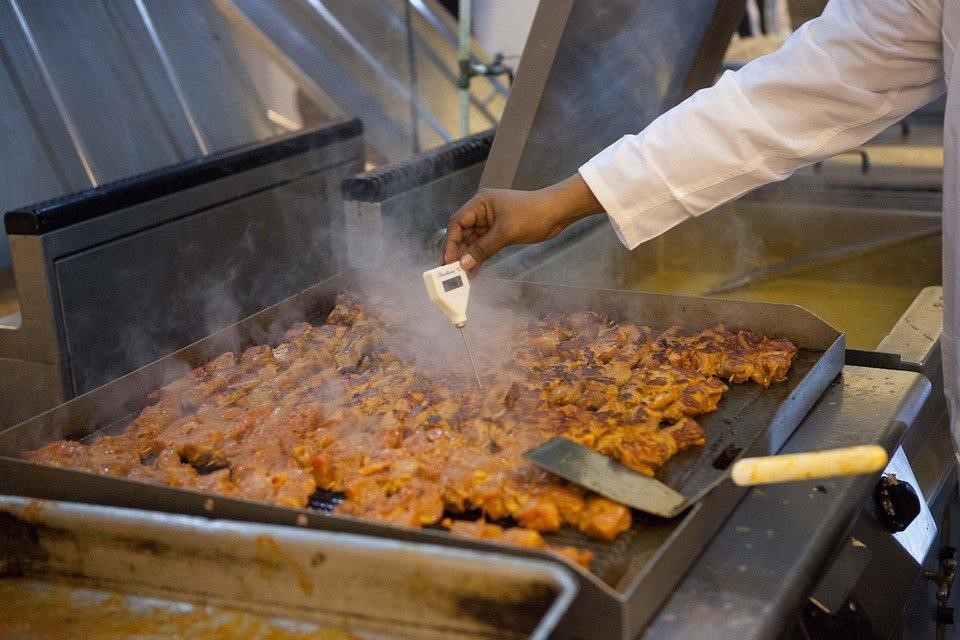
The Importance of Food Safety Training
Food safety training is an essential part of preparing food that’s safe to consume. Many food businesses don’t prioritize food...
Read More
CONTACT US
SafeCheck Learning & Canadian Food Safety