Every year, more than 4 million Canadians get food poisoning. Symptoms typically include nausea, vomiting, diarrhea, stomach pain, and fever. While most people recover without lasting complications, serious outcomes can occur in some cases. A significant portion of those illnesses can be traced to home-prepared food, not to restaurants or commercial kitchens.
Most home cooks do not think of their own kitchen as a place where food safety rules apply. In reality, the same principles that govern safe food handling in professional settings also apply at home. This article covers the core food safety knowledge every home cook should have, the most common risks in residential kitchens, and how a food safety course can help build the competence to keep a household safe.
Food Safety Risks in the Home Kitchen
Home kitchens present the same categories of food safety risk as any other food preparation environment. The difference is that home cooks rarely receive formal training on identifying and managing those risks.
The leading causes of foodborne illness in Canada include Norovirus, Salmonella, E. coli O157, Campylobacter, and Listeria. These pathogens are introduced into food through a relatively small number of routes, most of which are preventable with proper knowledge and habits.
Cross-Contamination
Cross-contamination occurs when bacteria spread from one food item to another, typically through uncooked food, dirty hands, or contaminated utensils coming into contact with cooked or ready-to-eat food.
In a home kitchen, this happens when raw meat juices drip onto other foods in the refrigerator, when the same cutting board is used for raw proteins and fresh produce, or when hands are not washed between handling raw and cooked items.
Storing raw meat in sealed containers on the bottom shelf of the refrigerator and using separate cutting boards for raw meat and ready-to-eat foods are two of the most effective ways to reduce this risk.
Temperature Control
The temperature danger zone ranges from 4°C to 60°C, including room temperature. Bacteria can grow quickly within this range and cause foodborne illness.
Colour does not always indicate whether food is safe to eat, which is why internal cooking temperatures should always be followed. A digital food thermometer is the only reliable way to confirm food has reached a safe internal temperature. Leftovers should be frozen or consumed within four days of cooking and always reheated until steaming hot before eating.
Personal Hygiene
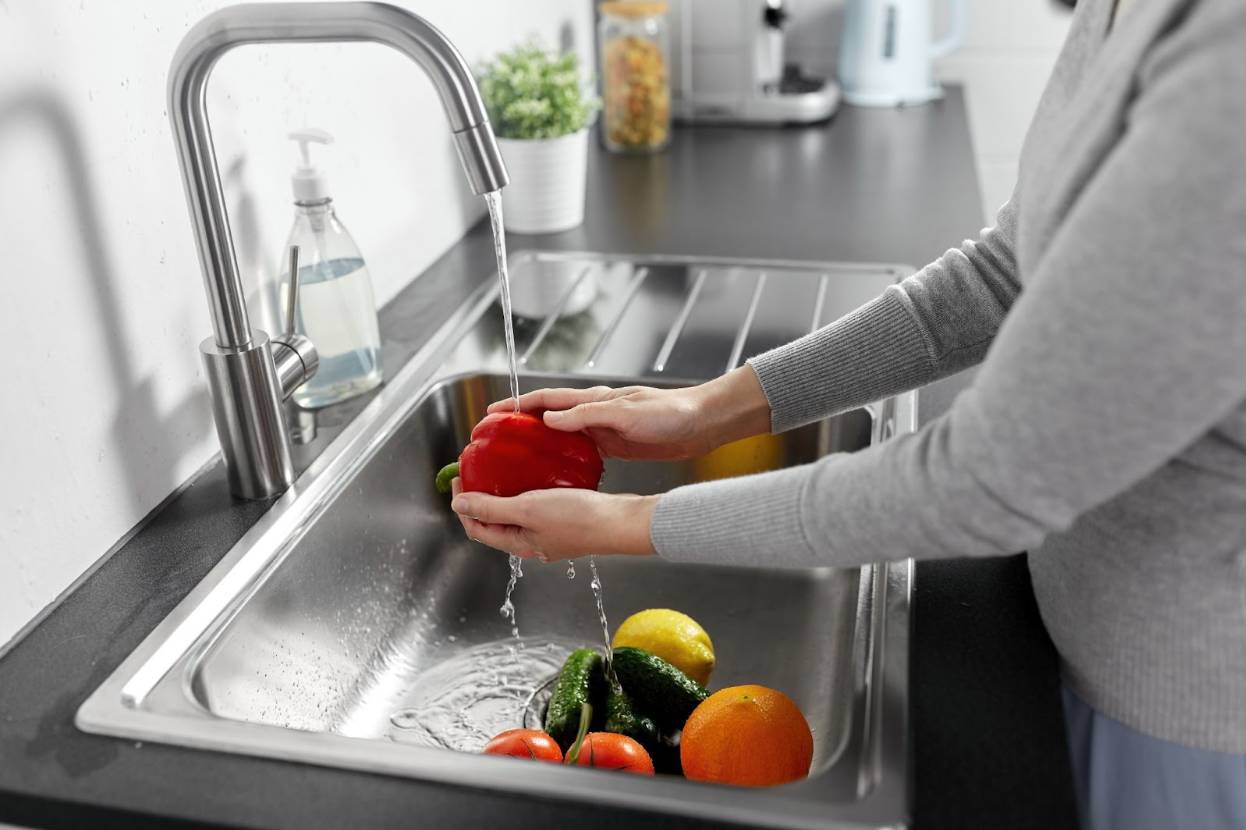
Cleaning anything that comes into contact with food helps eliminate bacteria and reduces the risk of foodborne illness. This includes hands, kitchen surfaces, utensils, fresh fruits and vegetables, and reusable grocery bags. Washing is especially important before and after handling raw meat, poultry, fish, or seafood, as well as after handling pets, changing diapers, and using the bathroom.
Improper Thawing and Storage
The safest way to thaw food, especially raw meat, poultry, fish, or seafood, is in the refrigerator. Food should never be defrosted at room temperature, and food defrosted in the microwave should be cooked immediately after thawing. Thawed food should not be refrozen.
Many home cooks thaw food on the counter as a matter of habit, unaware that doing so allows the outer layers to enter the temperature danger zone while the interior remains frozen.
Allergen Awareness
Food allergies are a household food safety issue, not only a restaurant concern. Home cooks preparing food for guests or family members with allergies need to understand how allergens spread through shared utensils, cooking surfaces, and oils. The consequences of allergen cross-contact can be severe and, in some cases, life-threatening.
The SafeCheck® Advanced Food Safety course covers each of these risk areas in detail, giving home cooks the knowledge to identify hazards in their own kitchen and take the right steps to address them.
What Home Cooks Learn in a Food Safety Course
A structured food safety course covers the practical knowledge needed to handle food safely in any setting, including a home kitchen. The core topics relevant to home cooks include:
- Identifying biological, chemical, and physical food hazards
- Understanding the temperature danger zone and how to monitor it
- Preventing cross-contamination between raw and ready-to-eat foods
- Proper handwashing technique and personal hygiene
- Safe food purchasing, receiving, and storage
- Correct thawing, cooking, and cooling methods
- Sanitation of surfaces, utensils, and equipment
- Allergen awareness and management
- Canadian food safety laws and regulations
These are not topics exclusive to professional food handlers. They are directly applicable to cooking for a family, hosting gatherings, preparing meals for vulnerable individuals such as young children, older adults, or immunocompromised household members, and managing food safely in everyday situations.
The SafeCheck® Advanced Food Safety course covers all these topics across 10 in-depth online lessons, with 24/7 access so you can complete the training on your own schedule.
The Best Food Safety Course for Home Cooks
The SafeCheck® Advanced Food Safety Course provides the structured, comprehensive food safety education that home cooks and food handlers across Canada need. The course is open to anyone, regardless of whether they are currently employed in food service.
The SafeCheck® Advanced Food Safety certification is accepted by provincial public health units in every province and territory as equivalent to their own food handler certification, covering Alberta, British Columbia, Manitoba, Northwest Territories, Nova Scotia, Ontario, Quebec, Prince Edward Island, Saskatchewan, New Brunswick, Yukon, Nunavut, and Newfoundland and Labrador.
The course is delivered entirely online with 24/7 access, covers 10 in-depth lessons on all core food safety topics, and is designed to take approximately 6 hours to complete. Participants have unlimited attempts on the final exam, and those who pass with a score of 70% or higher receive a same-day printable digital certificate and a wallet card, both valid for 5 years.
Upon completing the program, participants also gain access to over 60 resources and videos, as well as printable food safety posters that can be displayed in a kitchen as a practical reference.
Frequently Asked Questions
Do I need food safety training as a home cook?
There is no legal requirement for home cooks to hold a food safety certificate. However, the risks associated with improper food handling are present in any kitchen. Completing a food safety course gives home cooks the knowledge to prevent foodborne illness for their household and anyone they cook for. The SafeCheck® Advanced Food Safety course is a practical option that can be completed fully online in approximately six hours.
What are the most common food safety mistakes made in home kitchens?
The most common issues include improper thawing of meat at room temperature, not using a food thermometer to verify cooking temperatures, using the same cutting board for raw proteins and ready-to-eat foods, inadequate handwashing, and leaving cooked food in the temperature danger zone for too long. The SafeCheck® course covers each of these areas in detail.
Is a food handling certificate required for home-based food businesses in Canada?
In most provinces, a food handling certificate is not a strict legal requirement for home-based food businesses selling low-risk products. However, the rules vary by province. Home-based food businesses are currently exempt from mandatory food handler training and certification in many provinces, but provincial food safety regulations still apply, and operators are responsible for handling food safely. Public health authorities recommend food safety training for all home-based food businesses regardless of whether certification is legally required. The SafeCheck® Advanced Food Safety course is recognized by health units across all Canadian provinces and territories and is open to anyone, including home-based food business operators.
Who is most at risk from foodborne illness in a household?
Young children, adults over sixty, pregnant women, and people with weakened immune systems face a higher risk of serious complications from foodborne illness. Home cooks preparing food for these individuals have a particular reason to build their food safety knowledge through a course like SafeCheck® Learning.
Is a food safety course relevant if I cook only for my own family?
Yes. The practices covered in a food safety course directly apply to everyday household cooking. Understanding temperature control, cross-contamination prevention, and proper storage helps protect everyone eating food prepared at home.
Can I take the SafeCheck® Learning course without working in the food industry?
Yes. The SafeCheck® Advanced Food Safety course is available to anyone. There are no prerequisites and no requirement to be currently employed in food service.
Discover More Safety Blogs
The 7 Best Online Food Handler Certification Courses in Canada
If you work around food in Canada, sooner or later, you’ll hear: “You need your Food Handler certificate.” Getting certified...
Read More
Careful of Companies Claiming to be Canadian!
Our Company Canadian Food Safety Group and our brand SafeCheck are truly Canadian companies based in Canada. We have offices...
Read More
Understanding How Food Safety Measures Prevent Foodborne Illnesses
Estimates show about 4 million cases of foodborne illness take place in Canada every year. Every one in eight hospitalised...
Read More
CONTACT US
SafeCheck Learning & Canadian Food Safety