Estimates show about 4 million cases of foodborne illness take place in Canada every year. Every one in eight hospitalised cases relates to food-related illness, which illustrates the pervasiveness of this issue. In this blog, we’ll talk about the importance of implementing strict food safety measures and how it can prevent foodborne illnesses. Let’s get right into it!
What is a Foodborne Illness?
A foodborne illness, commonly referred to as food poisoning, is caused by infectious organisms or toxins due to food contamination. Anyone who consumes contaminated foods or beverages can suffer from foodborne illness, leading to adverse health consequences and even death. The common symptoms include cramping, diarrhea, nausea, and vomiting.
What are the Different Types of Food Contamination?
There are four types of food contamination, including biological contamination, chemical contamination, physical contamination, and cross-contamination.
- Biological contamination: Bacterial toxins or harmful microorganisms contaminate food. It’s one of the most common causes of food poisoning.
- Chemical contamination: Food contamination by chemical substances like kitchen cleaning products, pest control products, pesticides, etc.
- Physical contamination: Physical objects like a fingernail, glass, metal, hair, or jewelry contaminate food.
- Cross-contamination: Transfer of contaminants from a surface, object, or person.
How Food Safety Measures Prevent Foodborne Illnesses?
Food contamination is the biggest cause of foodborne illnesses. The transfer of harmful organisms to the food can happen at any stage, including food production, preparation, packaging, and distribution. A systematic approach to prevent contamination and keeping everything clean can make a difference.
Implementing food safety measures minimizes food poisoning risk by ensuring the food isn’t contaminated with bacterial, parasitic, or viral agents that can lead to foodborne illnesses.
Best Practices to Prevent Foodborne Illnesses
Here are some best practices that can help prevent foodborne illnesses:
Good Personal Hygiene
- Keep yourself clean, shower daily.
- Stay home if you are feeling sick.
- Wear clean clothes and footwear.
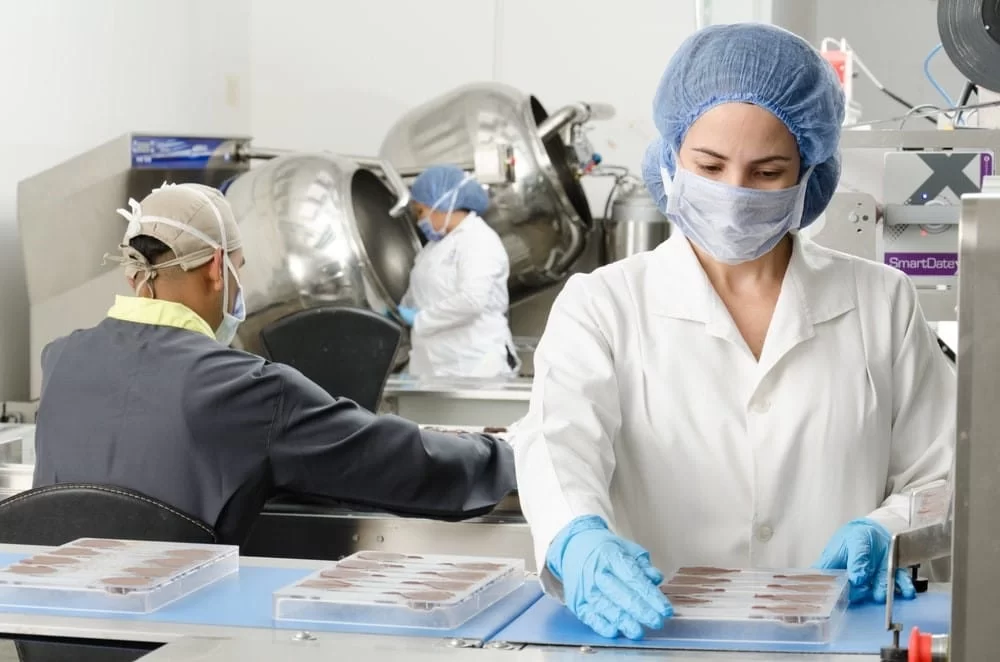
- Wear a hat or hairnet and other personal protective equipment when working.
Cleanliness & Maintenance
- Wash hands before handling food.
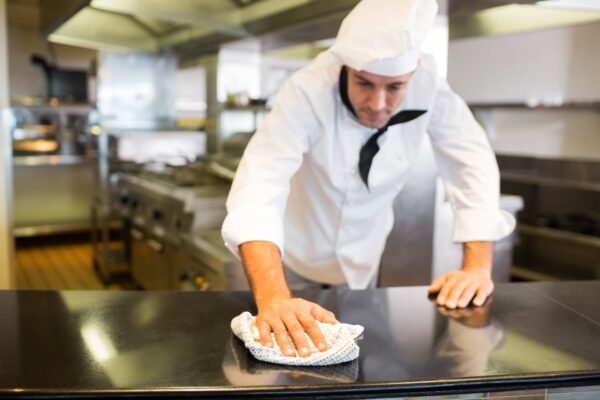
- Clean and sanitize equipment and workspace used for food preparation.
- Do not wash meat or poultry.
- Keep kitchen equipment working properly and well maintained.
Separation
- Keep the raw food separate from the cooked food.
- Use different work surfaces for uncooked items.
Cooking & Holding
- Use a food thermometer to ensure food is cooked to the right internal temperature.
- Hold and display foods to ensure they are not in the Temperature Danger Zone (TDZ).
- Reheat foods to 74C (165F).
Food Storage
- Refrigerate perishable food promptly and correctly.
- Monitor storage temperatures to ensure they are not in the Temperature Danger Zone (TDZ).
- Do not store food past is Best Before or Use-By date.
- Store raw meats below ready-to-eat foods
Quality
- Purchase food from reputable suppliers.
- Do not use food items past their best before or use-by dates.
- Store food to avoid contamination.
- Use water from an approved source.
Training & Certification
- Ensure all staff have food handler training.
- Develop a culture around food safety (talk about food safety every day).
- Reward good behaviour.
- Continuously coach and encourage staff to ensure safe food handling.
SafeCheck offers some of the best online workplace safety courses in Canada, including the food safety handling certificate online. Sign up today!
Discover More Safety Blogs
Understanding HACCP and Its Seven Principles
Canadian food businesses must have a food safety plan in place to prevent food safety hazards. It protects them from...
Read More
A Step-By-Step Guide to the Food Handler Course Renewal Process
In many provinces and territories, food service operations are expected to have at least one trained or certified food handler...
Read More
Cleaning Checklist for Restaurants to Ensure Food Safety
Restaurants and other food businesses need to prioritize food safety to ensure that their customers are satisfied, kept safe and...
Read More
CONTACT US
SafeCheck Learning & Canadian Food Safety